
 ,
,


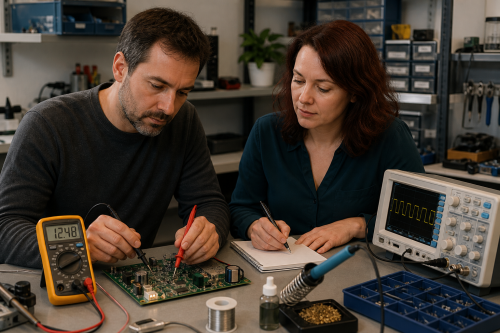
Restoration is different from modernising an old device as quickly as possible. First determine what should be preserved for historical, functional or personal reasons and which change is genuinely needed.
Sometimes an invisible retrofit is appropriate to improve continuity or safety. Sometimes preserving original parts matters more. Document changes so a future user can see what is original and what has been modified.
Not as an automatic rule. Age, type, measurements, application and risk determine whether replacement is sensible. Unnecessary replacement can remove original parts and introduce new assembly faults.
That a change can later be undone without unnecessary damage. For example, using an adapter instead of drilling the original enclosure when that is technically feasible.
Measure reference dimensions, look for documentation or photographs and make a reproduction if necessary. Choose material and finish according to function and the desired historical accuracy.
Basic repair, Electronics, 3D printing, Metalworking and Woodworking can be combined depending on the object.
Copyright © 2026, ASK-Solutions


